Momentum + Impact
The State of Downtown:
Want to Print This Report?
Five Forces Defining Downtown in 2026
2025 set the trajectory for downtown Cleveland’s future. Transformational development, challenged real estate, the return of employees, and a new era for public spaces are shaping this year’s downtown landscape.
1. Historic Levels of Investment Present Opportunity to Multiply Impact
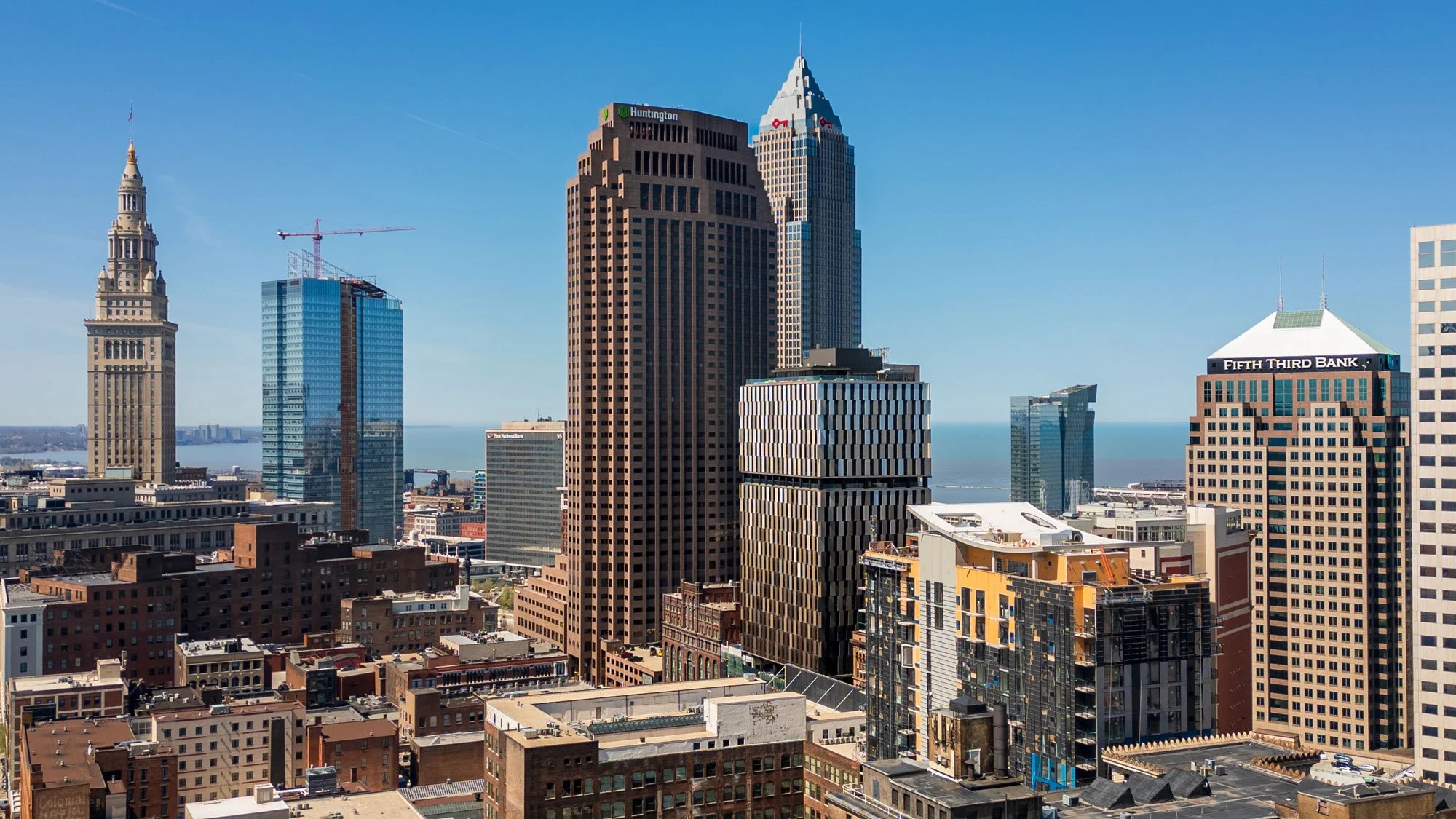
More than $5 billion in public and private development transforming downtown, not as isolated projects, but as part of a revitalized, growing, and connected neighborhood. That level of investment is rare. The Greater Downtown Vision serves as the connective tissue for these investments, driving safety, connectivity, and activation to attract tenants, visitors, and capital.
Why this Matters:
Over $5B in active investment presents a once-in-a-generation opportunity to reshape downtown into a more dense, walkable neighborhood with a world-class public realm.
Projects yield better results when tied to a cohesive neighborhood strategy rather than developed in silos.
A unified vision for downtown’s future boosts predictability and confidence for investors and tenants.
2. A Market Reset Is a Reinvestment Advantage
Several downtown properties are facing financial distress. In the midst of this cyclical challenge, we are taking advantage of the opportunities.
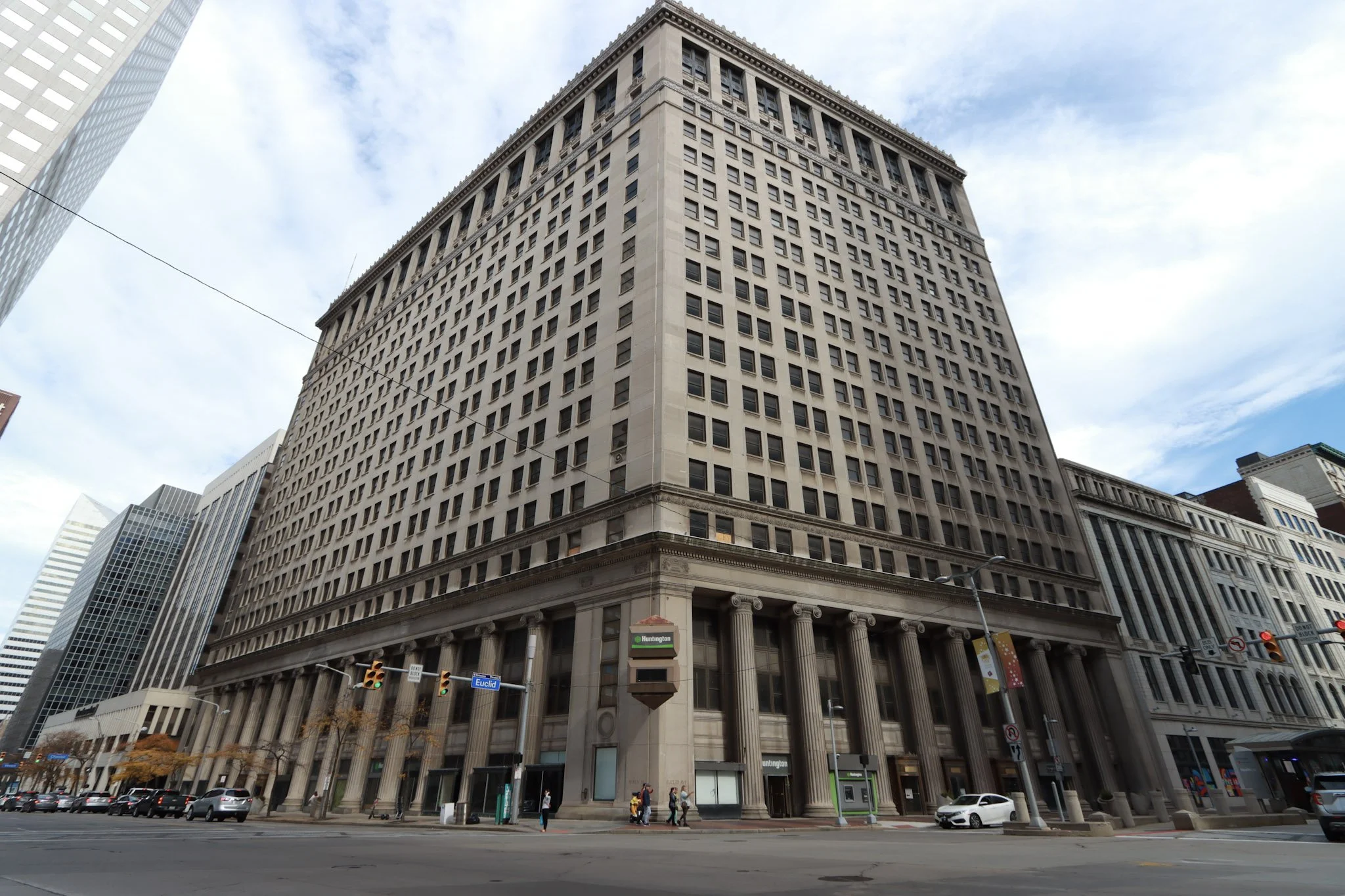
Cleveland is a national leader in adaptive reuse. The current distress in downtown real estate creates entry points for recapitalization and long-term value creation. The current market isn’t a setback; it’s a moment in time to capitalize on the product of the downtown experience and our business attraction message, attracting investors to choose downtown Cleveland.
Why this Matters:
Strategic reinvestment supports future job attraction and creation, housing diversity, and mixed-use vitality.
Improving the product and the message are central strategies for attracting investment-minded buyers for challenged buildings.
Cities that act decisively during resets will lead the next growth cycle.
3. Active Public Space Drives Economic Activity
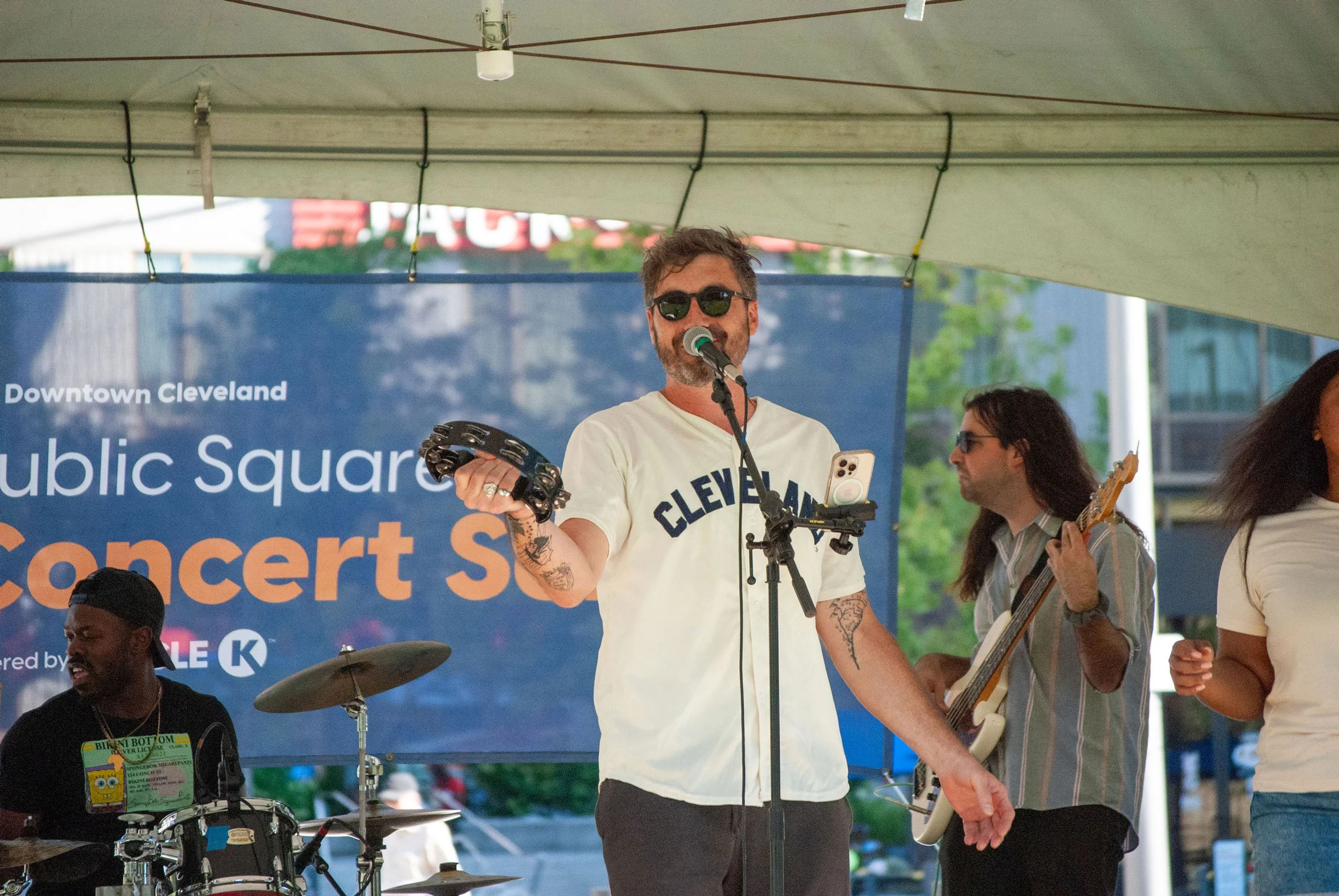
Downtown’s parks and plazas are no longer passive amenities. They’re performance assets. In 2025, more than 350 public activations generated real foot traffic that supported safety, retail, and vibrancy. Downtown Cleveland, Inc. isn’t just programming parks and plazas; we’re operating a system that fuels downtown’s daily rhythm.
Why this Matters:
Foot traffic is a leading indicator of retail health and economic vitality.
Active public spaces are safe public spaces, improving the perception and reality of public safety throughout the core.
Downtown programming is not about big, one-off events - it’s about regular activations that attract visitors every week, all year round. This strategy led to increased attendance at events across downtown in 2025.

4. Everyday Vibrancy Drives Long-Term Value
Downtown’s anchors — from cultural institutions like Playhouse Square and the Rock & Roll Hall of Fame to event-driven destinations such as Rocket Arena and the Huntington Convention Center — generate powerful spikes in activity. Signature events like the St. Patrick’s Day Parade and Juneteenth bring people together in celebration.
But long-term strength comes from the vibrancy that fills the spaces between those moments. It’s the walkable blocks, the neighborhood retail, and the welcoming public spaces that make downtown a great place to live, work, and play. The community must leverage investment to build a downtown that thrives seven days a week - not just when the spotlight is on.
Why this Matters:
70% of downtown retail spending comes from outside the county, driven by destination traffic.
The Browns’ decision to leave downtown presents a challenge and an opportunity to rebalance toward daily-use amenities and public space.
Anchors must be paired with daily amenities to create a stable, mixed-use ecosystem. Thriving downtowns serve both locals and visitors, every day of the week.
5. Safety Investments Are Reducing Crime
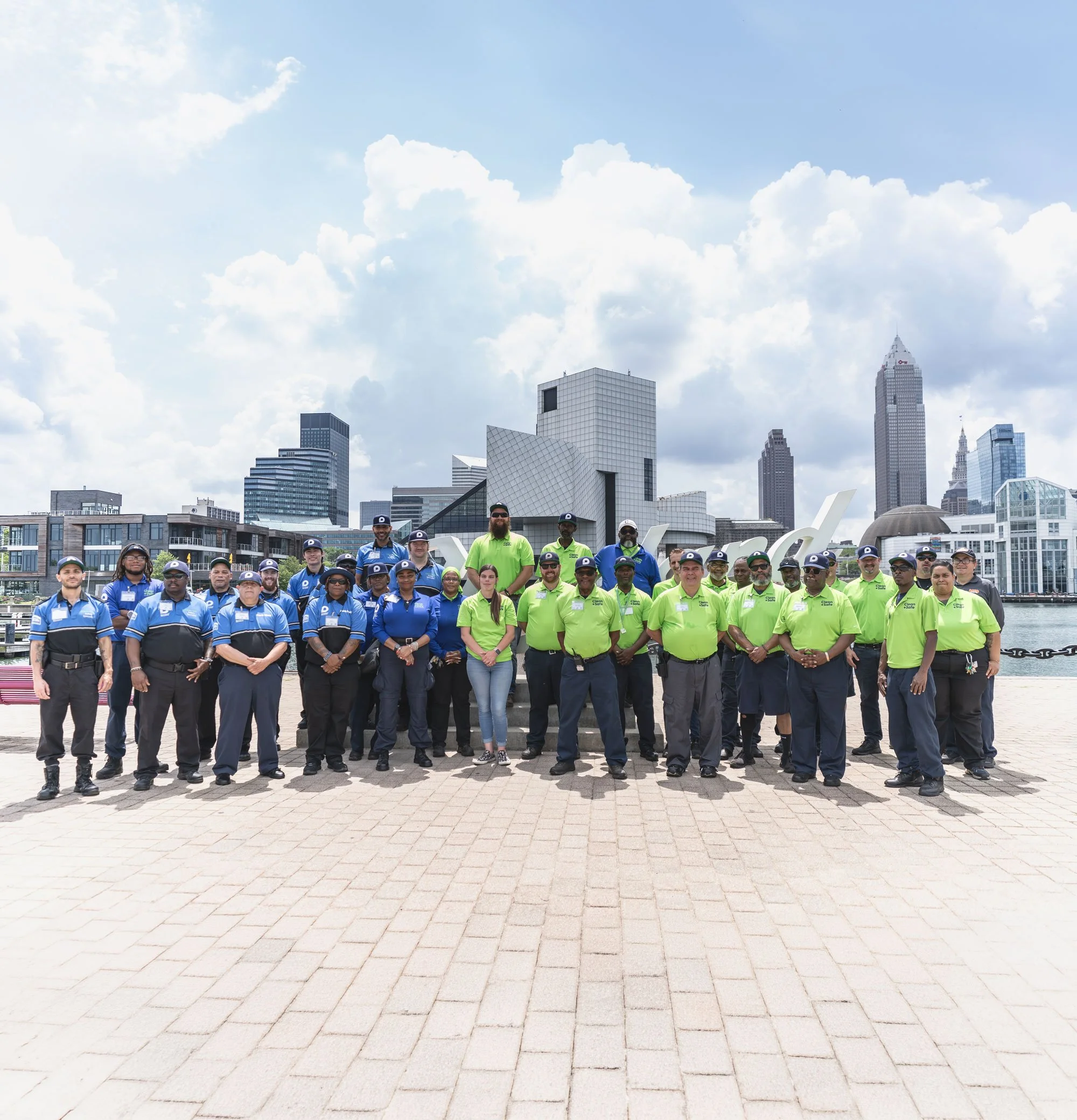
From violent crime to theft, public safety improved significantly in the core. Downtown Cleveland, Inc.’s focus on targeted deployment, cameras, and lighting is delivering results the market can feel.
Why this Matters:
Serious crimes declined 26% in third district (encompassing downtown).
Grand Theft Auto dropped 39% in third district (encompassing downtown).
These improvements reflect targeted enforcement, strong cross-sector collaboration (local, state, and federal), and sustained public and private investment.
Safety builds confidence for workers, residents, visitors, and investors. Visible progress helps shift perception and supports market recovery.

2025 Clean + Safe Highlights
85 Housed in A Home for Every Neighbor Program for a Total of 188 Individuals Housed
759K+ Pounds of Trash Collected
13,232 Security Checks
3,120 Graffiti Tags Removed
417 Safety Escorts
250 Planters Maintained

Annual Data Snapshot
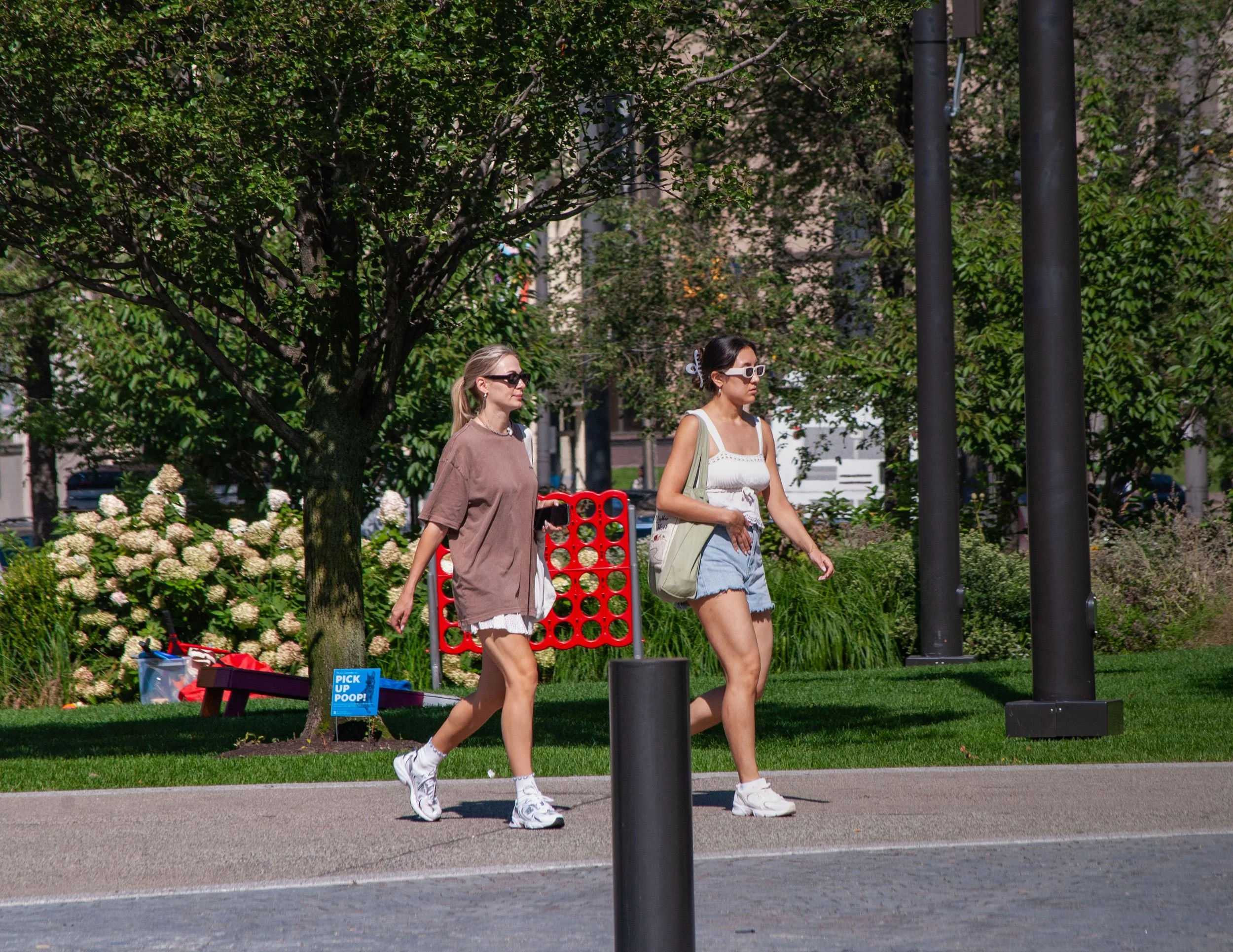
Foot Traffic: Consistent Downtown Activity
Visitors: 39.5M
Daytime Population: 116.5K
Real Estate Development
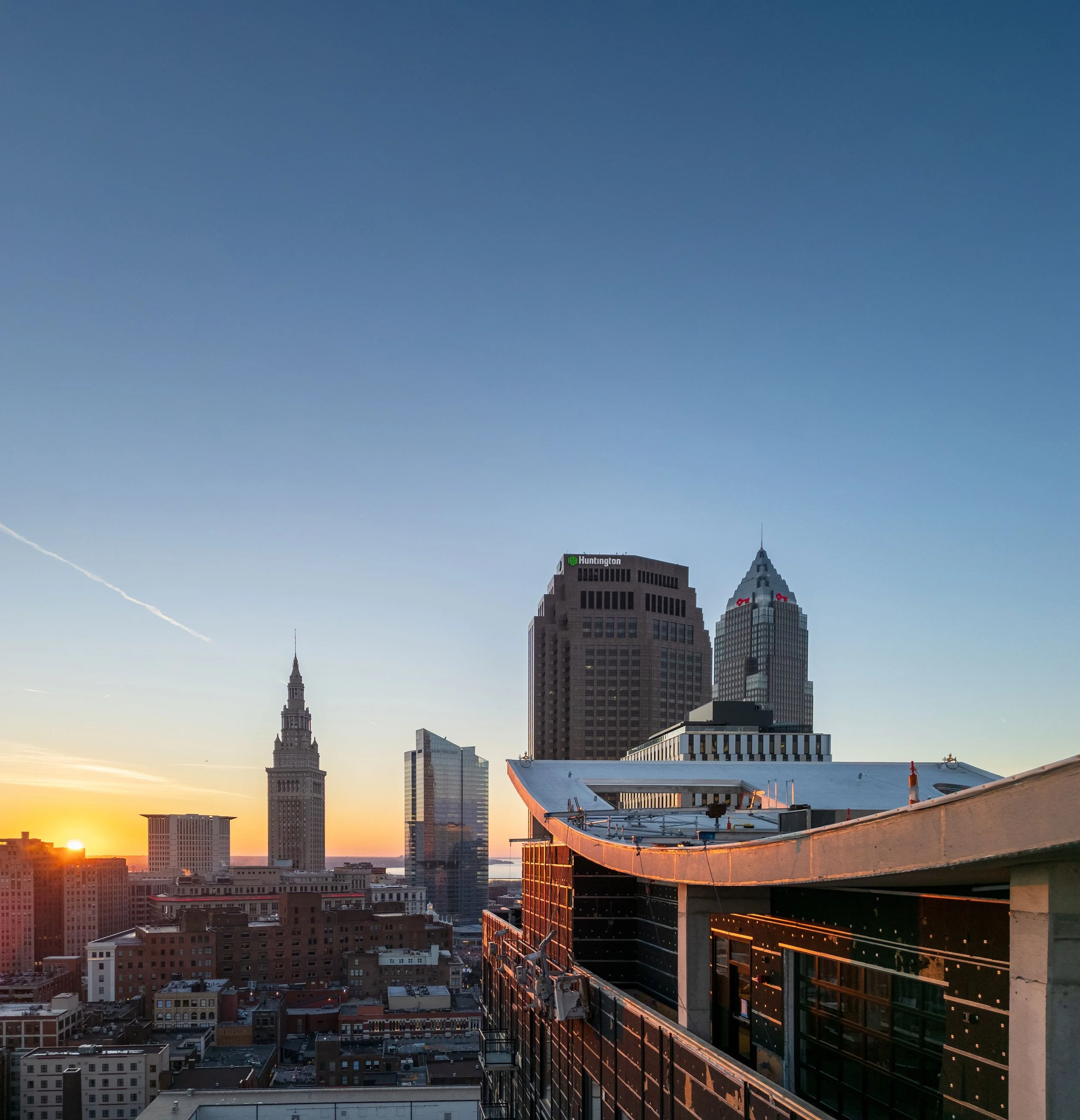
2025 brought substantial completions and ongoing projects that shape both skyline and street-level experience.
$5B Underway + Planned
$458.1M completed in 2025:
Progressive Field Renovations - $202.5M
Fidelity Hotel - $57M
Ten60 Bolivar - $38.5M
Hampton Inn - $3M
Skyline 776 - $100M
The Bulkley Residences - $50M
Globe Iron - $5.5M
Klutch Cannabis - $1.6M
Office Businesses Seek Class A Amenities, Attractive Environment
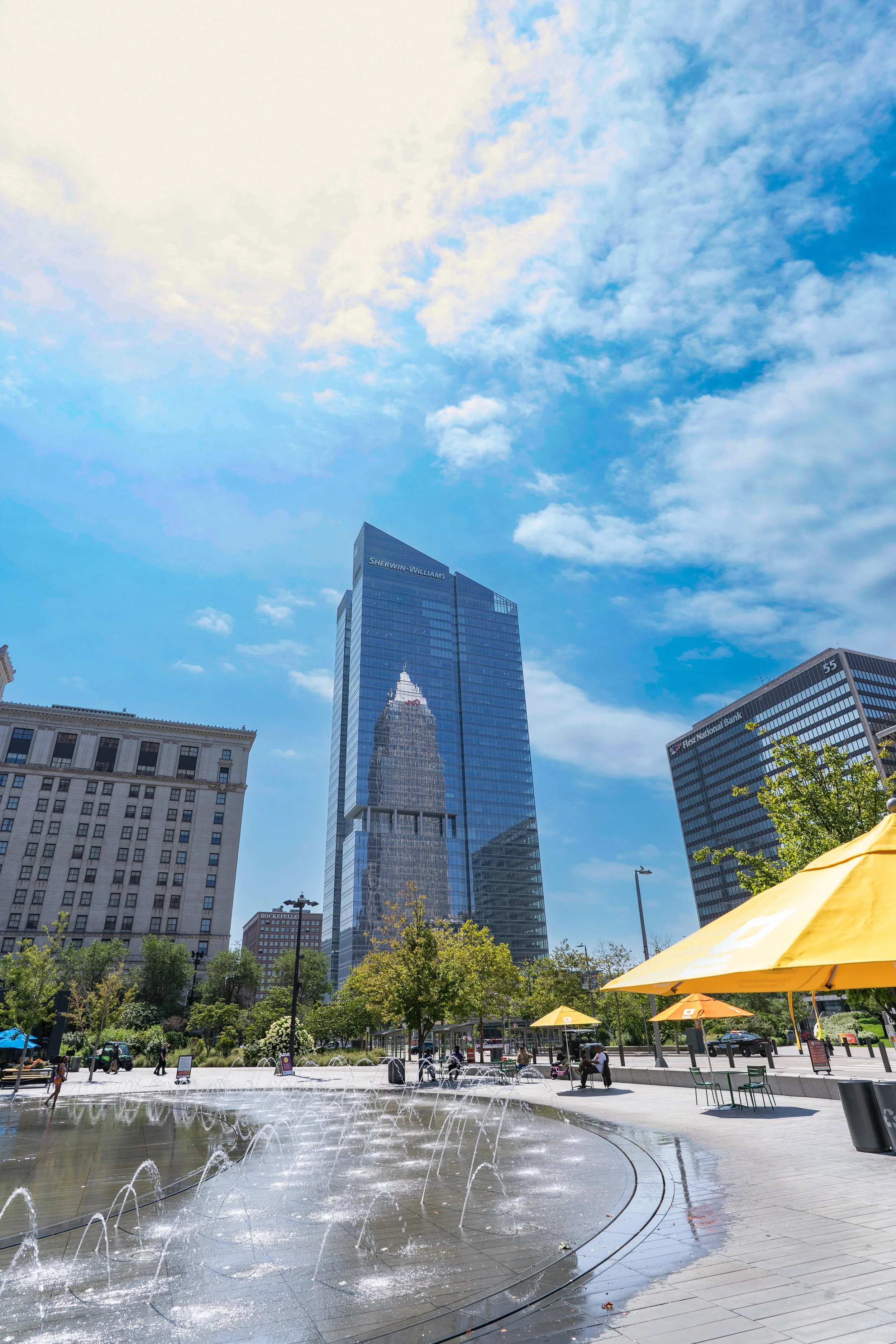
While downtown’s office market is in a reset, demand for Class A office space in attractive, vibrant areas remains strong. Employers such as PNC and Sherwin-Williams are bringing workers back full time, and Class A rents are beginning to firm. At the same time, legacy buildings are under pressure and actively repositioning to meet changing workplace expectations.
The market is moving toward higher-quality space supported by a stronger downtown environment. For tenants and owners, the focus is on competitive product, talent appeal, and locations that benefit from safety, amenities, and public space investment.
This creates real opportunity for reinvestment and repositioning. The City of Cleveland’s new online permit portal reduces friction and streamlined Job Creation Tax Credit encourages growth. Businesses, brokers, and site selectors can seamlessly access these and other resources through the Downtown Cleveland Business Growth Network by contacting Silvia Iorio, VP for Economic Development at siorio@downtowncleveland.com
80.2% Overall Office Occupancy
$20.84/sf Average Office Rent
Notable Leases Signed in 2025:
Jones Day (30,622 SF) renewed, 1001 Lakeside Avenue
Roetzel and Andress LPA (19,855 SF) 1375 E. 9th St.
SmarterX (11,600 SF) expanded 5,800 SF, 812 Huron Rd

Supply Reset Reinforces Role of Experience and Jobs
Downtown’s housing market is in a supply-driven reset. A large wave of new units has pushed apartment occupancy lower, reflecting near-term oversupply and higher interest rates.
Long-term housing demand downtown is tied to jobs, walkability, and neighborhood quality. Downtown’s amenity base remains strong and public and investments in safety have reduced crime. Public-private partnerships focused on continued investment in safety and neighborhood conditions is expected to stimulate demand and more stable residential performance over time.
21,000 Residents
86% Rental Occupancy
888 Housing Units Added in 2025

Hospitality Base Stabilizes, Positioned for Increased Demand
Hotel performance remained stable in 2025, with strong summer occupancy and competitive daily rates reflecting solid baseline demand. Conventions, major events, and cultural tourism continue to drive core hotel activity.
As downtown becomes more active on a daily basis, hospitality is positioned to benefit from increased visitation, longer stays, and broader demand outside traditional event peaks. This supports steady performance and creates upside as downtown activity continues to expand.
Avg. Hotel Occupancy Rate: 62.8%
Avg. Daily Rate: $187.19 Avg.
Revenue Per Available Room: $116.97
Occupancy tends to peak in the summer months, with 2025 occupancy peaking at 77% in the month of August.
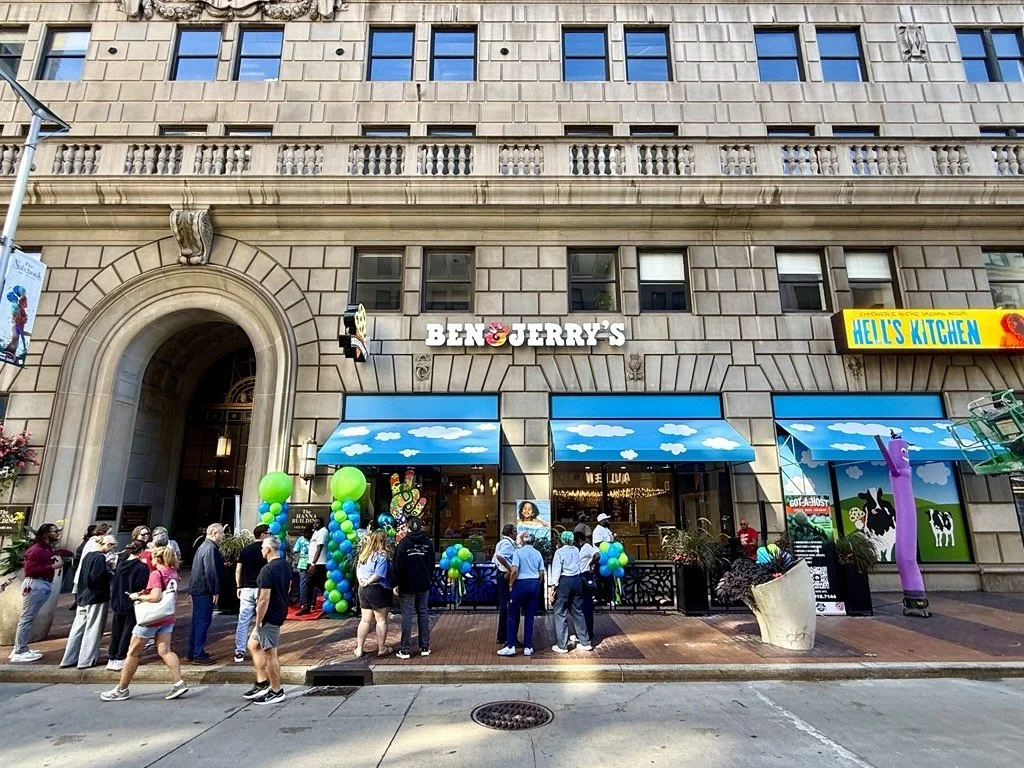
Downtown nets 12 storefront businesses
Retail performance is closely tied to foot traffic, safety, and everyday activity. Downtown’s focus on activation, connectivity, and street-level experience is intended to strengthen these fundamentals.
With 82% average storefront occupancy and a net increase of 12 businesses in 2025, downtown retail is holding up despite inflation, rising operating costs, and shifting consumer behavior. The market remains selective, with stronger performance in locations that benefit from steady foot traffic, safety, and nearby employment and residential density. Public-private partners have aligned around focusing on safety, connectivity, and activation to strengthen the retail environment.
82% Retail Corridor Average Storefront Occupancy
22 New Store Openings
2025 New Store Openings: